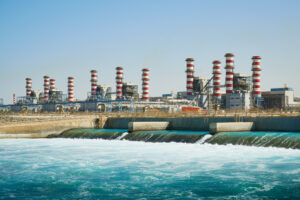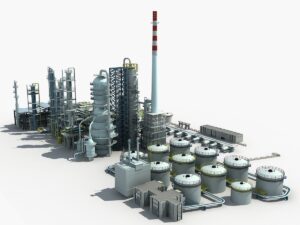
Crude oil refineries primarily focus on the production of transportation fuels such as gasoline, diesel, and kerosene. On the other hand, integrated refineries and petrochemical complexes also produce building blocks that are crucial for the petrochemical industry, particularly light olefins like ethylene, propylene, butenes, and butadiene, as well as BTX. These petrochemical feedstocks are in high demand and their markets continue to expand. They can be generated as byproducts of fuel processes, such as benzene from catalytic reforming. Alternatively, they can be produced through dedicated processes using low-value cuts, for example, naphtha in steam crackers. The availability of these petrochemicals heavily relies on the refining business. Consequently, it may be advantageous from the perspective of the petrochemical market to directly produce these fundamental intermediates from universally accessible feedstock.
Crude oil presents itself as an ideal candidate for this purpose due to its wide availability at low cost and its compatibility with the petrochemical industry. Although attempts have been made to directly steam crack crude oil, issues such as coils coking, and limited product flexibility pose significant challenges. Nevertheless, steam cracking processes with careful oil vaporization have been developed to address these issues, and ExxonMobil has claimed to have constructed a steam cracker that directly utilizes certain crude oils as feed. Several dedicated processes were also developed several decades ago to crack crude oil directly using thermal processes with beds comprising various types of particles, some inspired by fluid catalytic cracking technology with reactor-solid circulation. However, these processes were primarily focused on ethylene production and operated at temperatures typically exceeding 700 °C, making them less competitive compared to naphtha steam cracking. From a market demand standpoint, propylene production presents new opportunities due to the following reasons:
Propylene demand is growing at a faster rate than ethylene demand.
Steam crackers have a limited ethylene-to-propylene ratio, usually not exceeding 0.6.
- Many steam crackers are transitioning to the use of cost-effective ethane, leading to a decrease in propylene production.
- On-purpose processes, such as propane dehydrogenation, metathesis, and methanol to olefins, are predominantly driven by the price and availability of the feedstock, thus limiting their application to niche markets.
Consequently, there will be a significant focus on the propylene production process in the coming years.